The Chalumeau
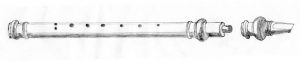

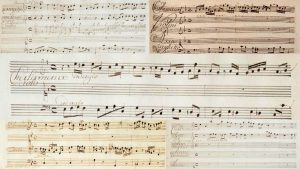 e the traversiere, bassoon, viola d'Amore and viola da gamba.
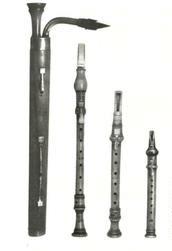 and its velvety and intimate sonorities were valued to express the drama of pastoral or love scenes. However, the chalumeau quickly lost the favour of composers when the clarinet appeared on the scene in the mid 18th century, featuring numerous advantages: an extension to 3 ½ octaves, a more stable intonation, and flexibility in dynamics, better suited to the new musical demands of the rising Classical style.
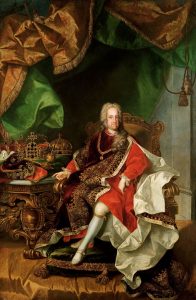
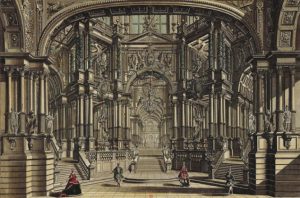 of Italian musicians, artists, architects and poets. These were the years when the music production of the court reached its peak thanks to composers as Francesco Bartolomeo Conti, Antonio Maria Bononcini, Antonio Caldara, Marc'Antonio Ziani, Giuseppe Porsile, librettists as Apostolo Zeno, Pietro Metastasio, Giovanni Claudio Pasquini, Silvio Stampiglia, Pietro Pariati and Giuseppe Galli da Bibbiena, nominated in 1727 first court’s scenographer and painter.